







What to Put in your Doggy First Aid Kit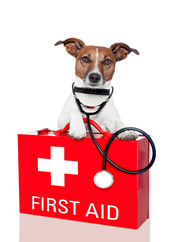
This is a list of things you might consider for your dog's First Aid Kit. Some items require a veterinary prescription, and the cooperation of your vet to get. However, if you can have them on hand, they can save you precious time getting to a vet or to treat a minor but uncomfortable condition. Many vets, once they realize you are a responsible and knowledgeable owner, will help you get a stash of common medicines for those times you can't get to the vet immediately. Especially with the prescription medicines, always consult your veteriarian for dosages and before treatment. If your dog requires specific medications, make sure you have an ample supply on hand. This would also be adequate as a disaster preparedness kit as well.
Bare minimum:
- Veterinarian's phone numbers (including closest 24 hr. emergency clinic)
- Digital thermometer & alchol to clean it (or those plastic covers)
- Sterile gauze pads (3" x 3" and 2" X 2") and gauze bandage rolls (1" and 2")
- First-aid adhesive tape, 1" roll
- Cotton swabs (Q-tips®) and cotton balls
- Tweezers
- Heavy Duty Pliars with cutting edge - to cut through a crate if they get their teeth caught, or pull out porcupine quills
- Scissors
- Plastic freezer/sandwich bags - for fecal samples
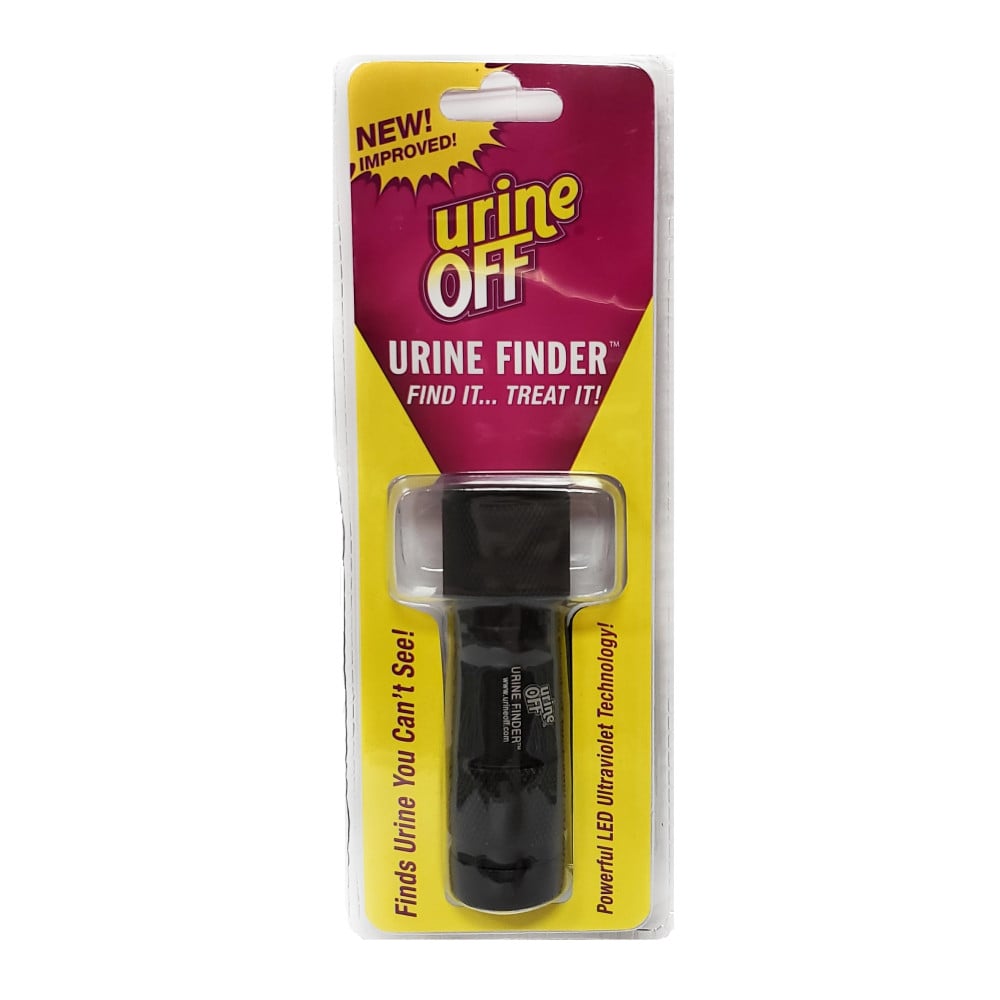
- Stick with a plastic cup attached to the end - for collecting urine samples
- Triple Antibiotic ointment
- Activated charcoal - for poisoning
- Antiseptic cleansing wipes
- Kaopectate® or Pepto-Bismol®
- A current dog first-aid book
- Paper surgical tape (paper is better than cloth in case the dog bites and eats it)
- Small towels, large towels
- Eyedropper
- Digital or rectal thermometer in a plastic case
- Leash
- Antiseptic Wipes
- Alcohol Wipes
- Cloth tape
- Adhesive Fabric Bandage
- Saline Wound/Eye Wash
- Instant Cold Pack
- Safety Pins
- Instructional Field Manual/Wilderness medicine guide
- SOL Emergency Blanket
- Splinter Picker/Tick Remover
- Leather work gloves (to protect you from being bitten by an upset dog)
- Latex gloves - for the nasty jobs (like emptying anal glads)
- Antibiotics: Cephelexin (Keflex), Enrofloxacin (Baytril), and Clavamox (all RX's) if possible.
- Peroxide - for bites, to clean up blood, disinfectant, force vomiting
- Muzzle and pantyhose, sheet strips, rope, etc. to muzzle or immobilize broken limbs
- Basket muzzle - may be used in place of an e-collar (sometimes works better) and also good for situations where your mal becomes aggressive with another dog or person
- National Animal Poison Control Center (University of Illinois) 217-333-3611
If you have the space add some of this:
- Splint materials (tongue depressor, 12-inch wooden ruler or thick magazine)
- Vet wrap - for the inevitible cuts, scrapes and puncture wounds from fights or cuts.. Vet wrap holds the gauze/bandage in place better on fur than tape.
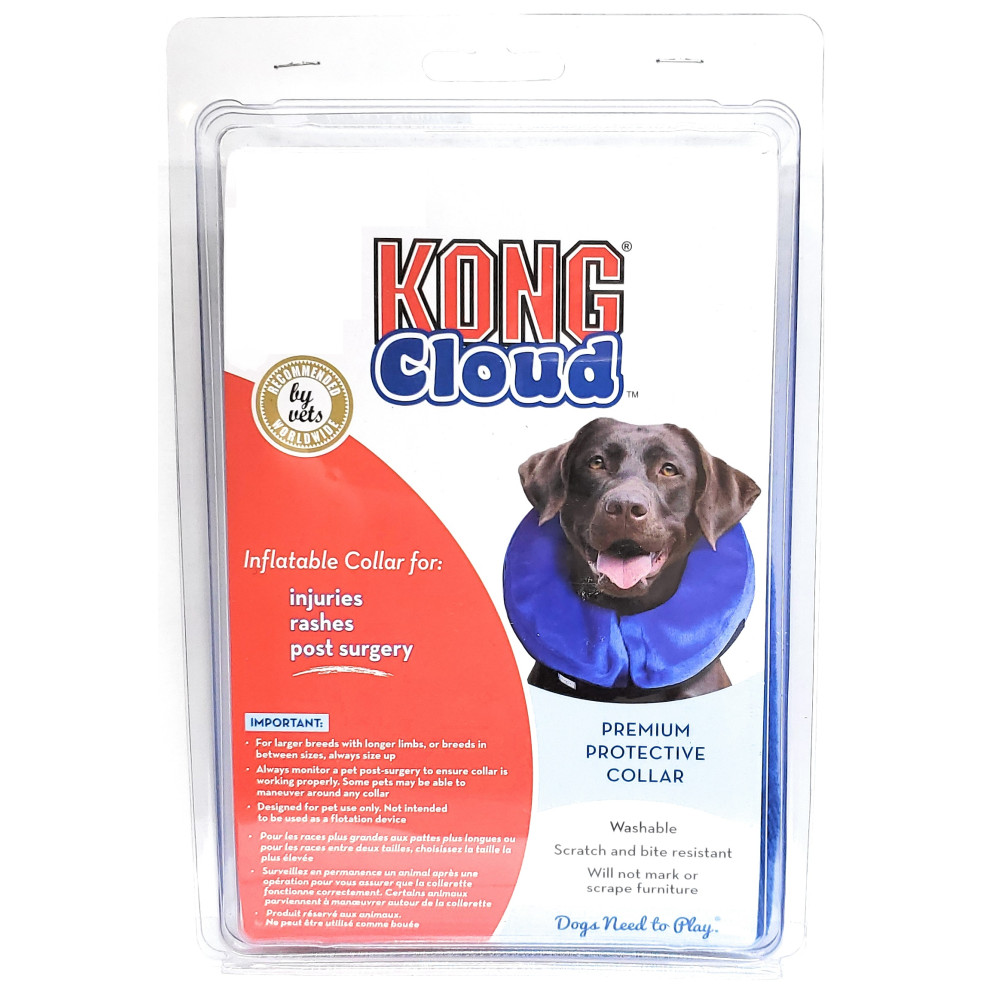
- eCollar - to prevent licking of wounds
- Bitter apple - to prevent licking as well
- SMZ, Sulfamethoxazole - for non-specific diahrrea, giardia, and coccidia (RX)
- Canned Pumpkin - for diahrrea
- Flea comb - combing out hotspots, fleas
- Turkey baster - administering liquids if dog will not drink, irrigating wounds
- Tick Remover
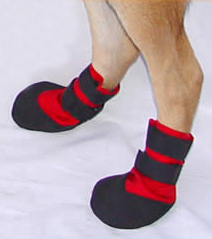
- Dog booties - foot protection for cuts, tears, prevents infection
- Pepsid or Mylanta - upset stomach
- Cotton balls
- Can of Salmon or Tuna (for dog that won't eat after hospitalization)
- Yogurt - replaces intestional bacteria in dogs on antibiotics - get unsweetened kind
- Mineral oil/Olive oil - for constipation, lubricating possible blockages
- Imodium - for diahrrea (with vet approval)
- Benedryl (Diphenhydramine)- stings, allergic reactions
- Buffered Aspirin (NEVER Tylenol, acetominophen or Motrin!) and do not use longer than 1 week or can cause stomach bleeding
- Crazy Glue - for mending feet and other cuts - works better than stitching sometimes
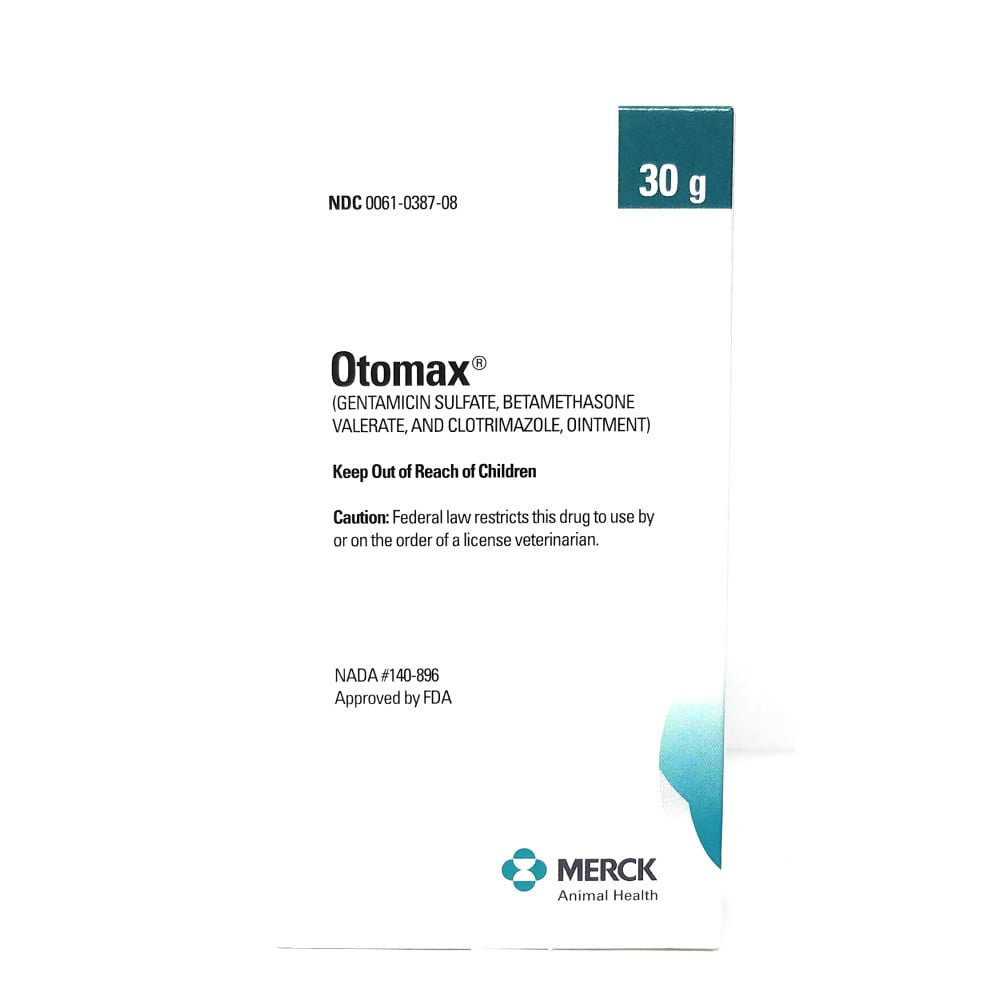
- Otomax (RX) - ear infections
- Ear cleaner - liquid kind - never powder
- Q-tips - for cleaning out ears, swabbing cuts, etc.
- Bright Flashlight (to look in ears, down throats, etc.)
- Panacur - Fenbendazole is a medication used to treat infestations with many parasites including roundworms, hookworms, whipworms, and tapeworms. It may also be used in the treatment of flukes and Giardia. Side effects are rarely seen. In addition to treatment, elimination of parasites must also include proper sanitation and prevention measures to ensure the Malamute does not become reinfected.
- Droncit for tapeworm - they get tapeworms from fleas and fleas from squirrels and bunnies they've caught
- Bloat needle - in emergency this may save your dogs' life, but know how to use it - if you hit internal organs you can kill the dog
- Large needleless syringe - for administering liquids and medicines - marked with CC's
- Small needleless syringe - for administering medicines (esp. to puppies) - marked with CC's
- Elastic adhesive tape - works great for holding bandages on hard to stay areas
- Syrup of Ipecac - to make him vomit, poisoning
- Quick Stop - stop bleeding on nails cut too close
- Meclizine - car sickness for susceptible dogs (Rx)
- Frontline - flea control
- Medicated shampoo - itchy, irritated skin
- Flea shampoo - flea control
- Neomycin Ophthalmic ointment - irritated, infected eyes
- Rescue Remedy - natural remedy for stress, calming
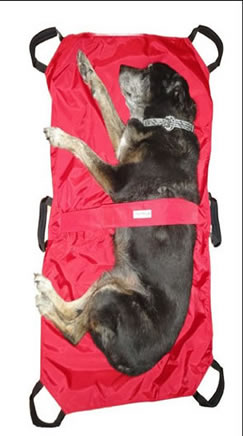
- Heavy Sheet or pet transporter (to be used as a stretcher for transporting)
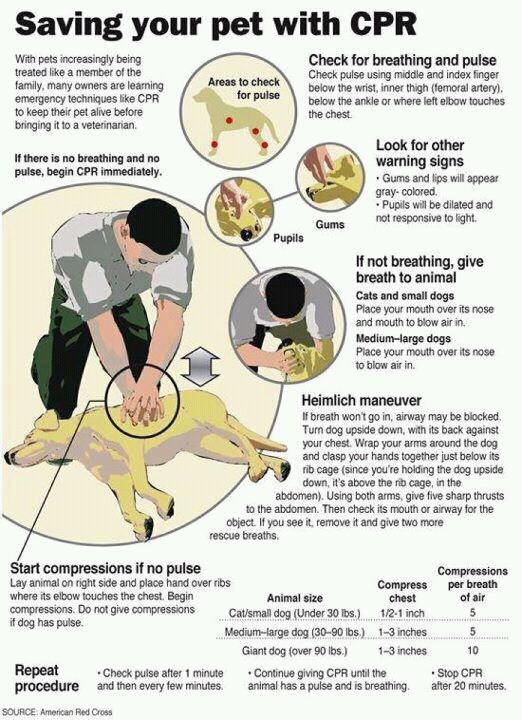
But the most important ingredient of a first aid kit is a willing owner. Learn do to CPR...find out what Bloat looks like. Inspect your dog regularly for cut paws, ear infections, broken teeth. Be a proactive owner so you will be prepared when something happens!